
- News
- Posted by: Amministrazione
Summer in the Vineyard
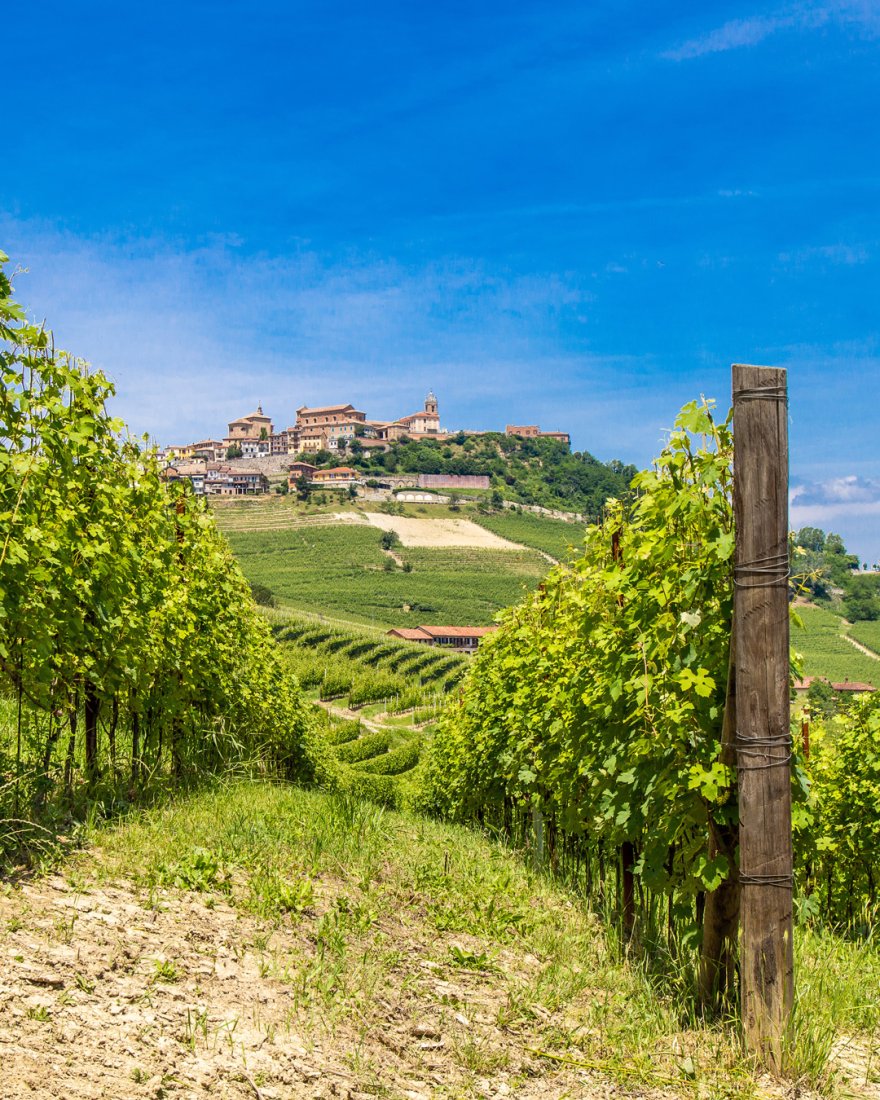
In Piedmont, summer has a different scent. It’s not just the broom blossoms or freshly cut hay. It’s a subtler aroma, one of warm leaves, living soil, and grapes that are beginning to dream of the wine they will become. Walking through the rows of vines in the hills of the Langhe, Monferrato, Roero, and Astigiano in June, July, and August feels like leafing through a book that is written day by day, line by line, cluster by cluster.
June is the month when the vineyard enters the height of its vigor. After flowering, the tiny grape clusters begin to form, and the vine—like a caring mother—dedicates all its energy to nurturing them. It’s a delicate time: too much heat or too much rain can jeopardize ripening. That’s why the work among the vines is meticulous, almost silent. Those who live the vineyard know that every detail counts during this period. Leaves are checked, excess shoots are pruned, and canes are tied to grow neatly and remain well exposed to the light.
In the heart of summer—July—the sun takes center stage. Days are long and blazing, nights often dry. It’s a time for waiting and observing. The clusters, now fully formed, begin the veraison process: they change color, turning from green to purple or golden, depending on the grape variety. It’s a spectacle that surprises every time, as if nature suddenly decided to reveal the palette with which it will paint the autumn.

Meanwhile, vine growers continue with the leaf thinning, removing part of the foliage to allow the sun to reach the grapes more directly. But even here, balance is everything: too much sun can scorch the berries, too little and they won’t ripen properly. It’s a delicate equilibrium, made of experience, intuition, and countless walks along the rows. Some say a good vineyard is understood with the eyes but managed with the feet—you have to walk it, live it, feel it beneath your soles to know what it needs.
August, at last, is the month when the harvest dream begins. The grapes are almost ripe, the days begin to shorten, and the air, at times, feels gentler. It’s a time of silent anticipation, of measuring sugar and acidity levels, of doing calculations with the sky: will there be enough water? Will storms come? Nature is queen, but the vine grower is her most faithful ally—even if he sometimes feels at the mercy of her whims.
In Piedmont, summer in the vineyard also has its rituals. There are those who, during breaks, sit in the shade of a hazelnut tree and eat bread and salami while gazing at the vines stretching down to the valley floor. There are those who still recount summers of the past, when everything was done by hand and nights were spent sleeping in the farmhouse, windows open, with the sound of cicadas as background music. And there are those who, now and then, look up and stare into the distance, imagining the scent of the wine to come: fresh, mineral, spicy, deep—it will depend on how this summer was, on this dance of sun, rain, and patient hands.
For those who love wine, knowing what happens in the vineyard during summer is like discovering a secret. Every bottle tells a story, and its plot is woven right here, under the summer sky, among ripening grapes and the people who care for them. Drinking a glass while knowing where it comes from, which steps came before it, and which hands have touched it gives it a different taste. Fuller. Truer.
So, next time you find yourself holding a glass, think of the sun-drenched rows of the Piedmontese hills, the silence broken only by the song of the cicadas, and the ancient patience required to make wine. Summer in the vineyard isn’t just a season: it’s a fundamental chapter in its soul.
>> Discover all the wines of Duchessa Lia


